



Tribological Analyses
For the targeted investigation of the interactions between lubricant, material, tool surface, and process parameters under defined test conditions.
Metalworking lubricants
Because several factors influence the forming process
In metal forming processes, the lubricant, the material, the tool surface, and the process parameters interact directly with one another. Changes in individual factors can affect friction, lubricant film formation, and thus component quality and process stability.
Problems do not always arise immediately at the start of production. Rising mold or component temperatures, changes in lubricant viscosity, or the behavior of additives under stress can cause process conditions to change during ongoing production.
Tribological studies make it possible to examine these relationships under defined conditions and to compare different variants in a reproducible manner.
The research provides insights into the following questions, among others:
- Which lubricant is suitable for a given combination of material and tool?
- How does the amount of lubricant applied affect the coefficient of friction?
- How do temperature, surface pressure, and drawing speed affect tribological behavior?
- Which tool coating offers advantages under the selected conditions?
- Is it possible to reduce the amount of lubricant without compromising process reliability?
- What coefficient of friction values can be used for forming simulations?

Testing under defined conditions
Tribological Testing for Clients
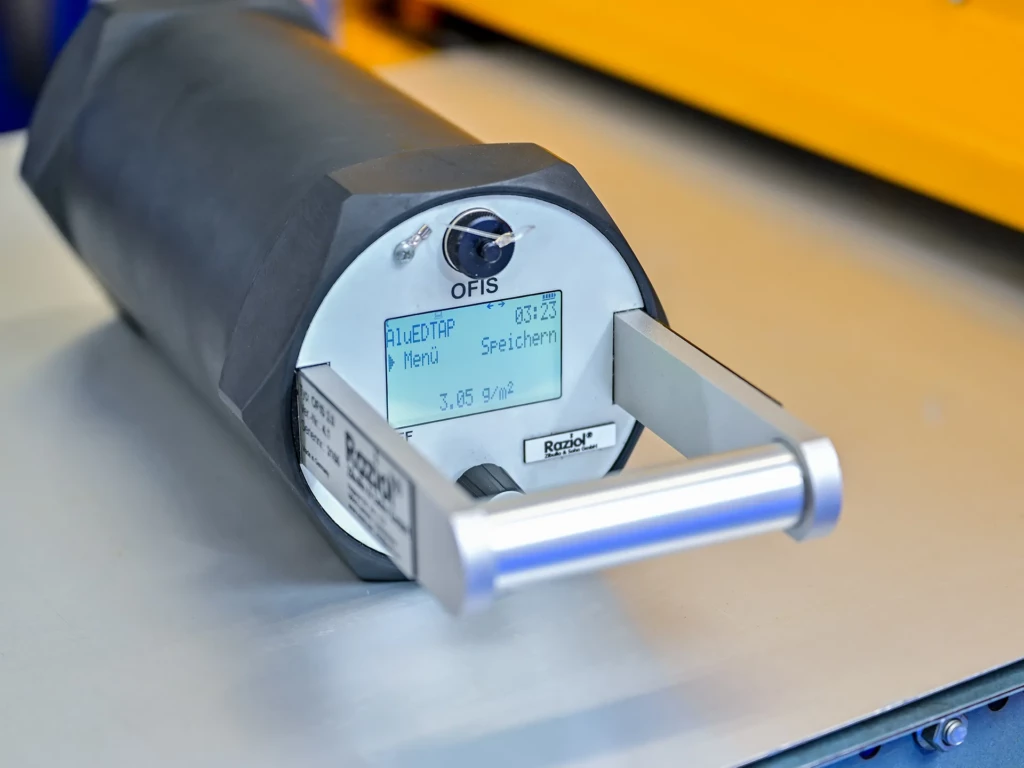
Raziol conducts tribological tests on behalf of customers under reproducible test conditions. The tests are performed using original materials. For this purpose, materials such as sheet metal strips, lubricants, or specially manufactured test specimens with the tool coatings to be tested are provided.
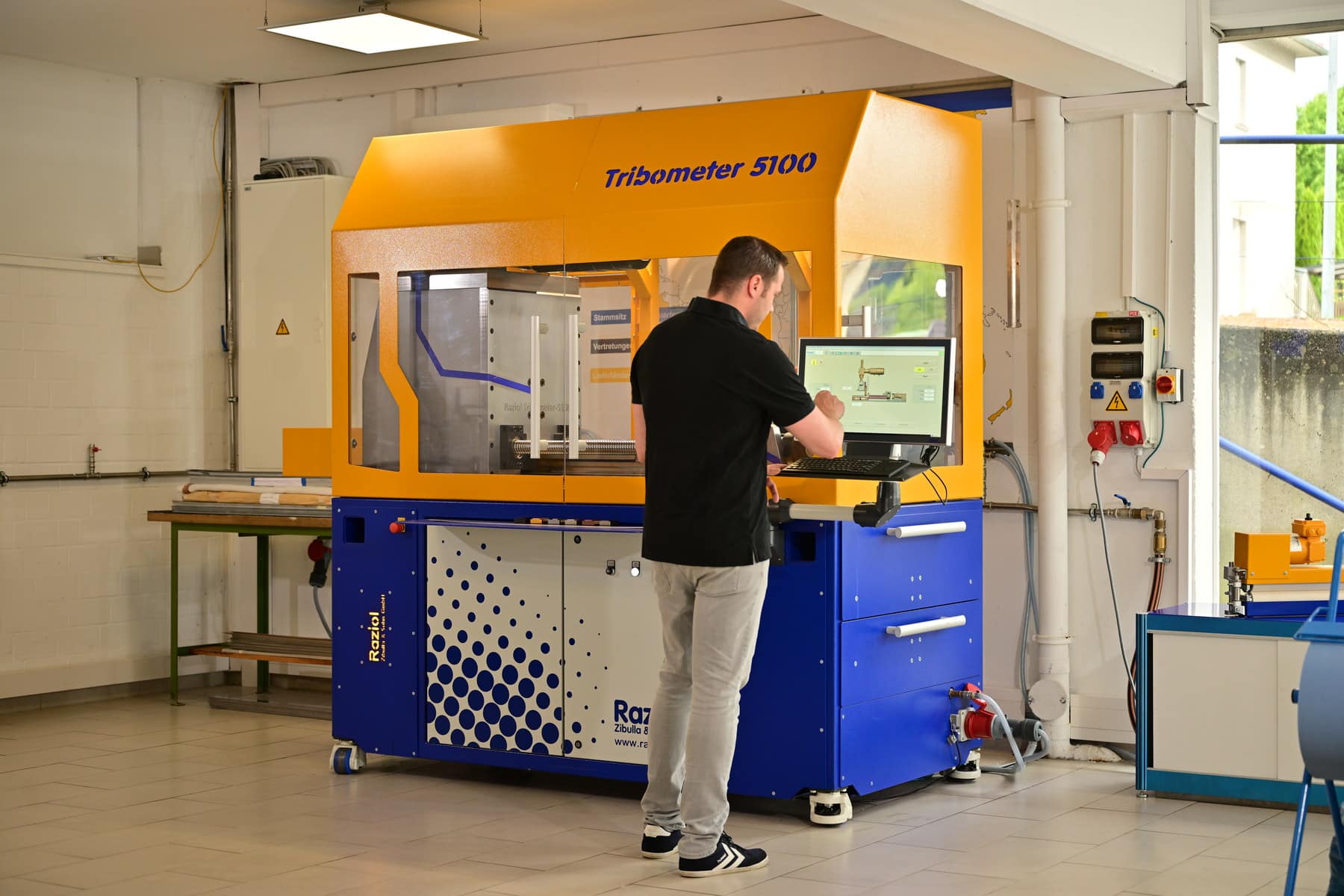
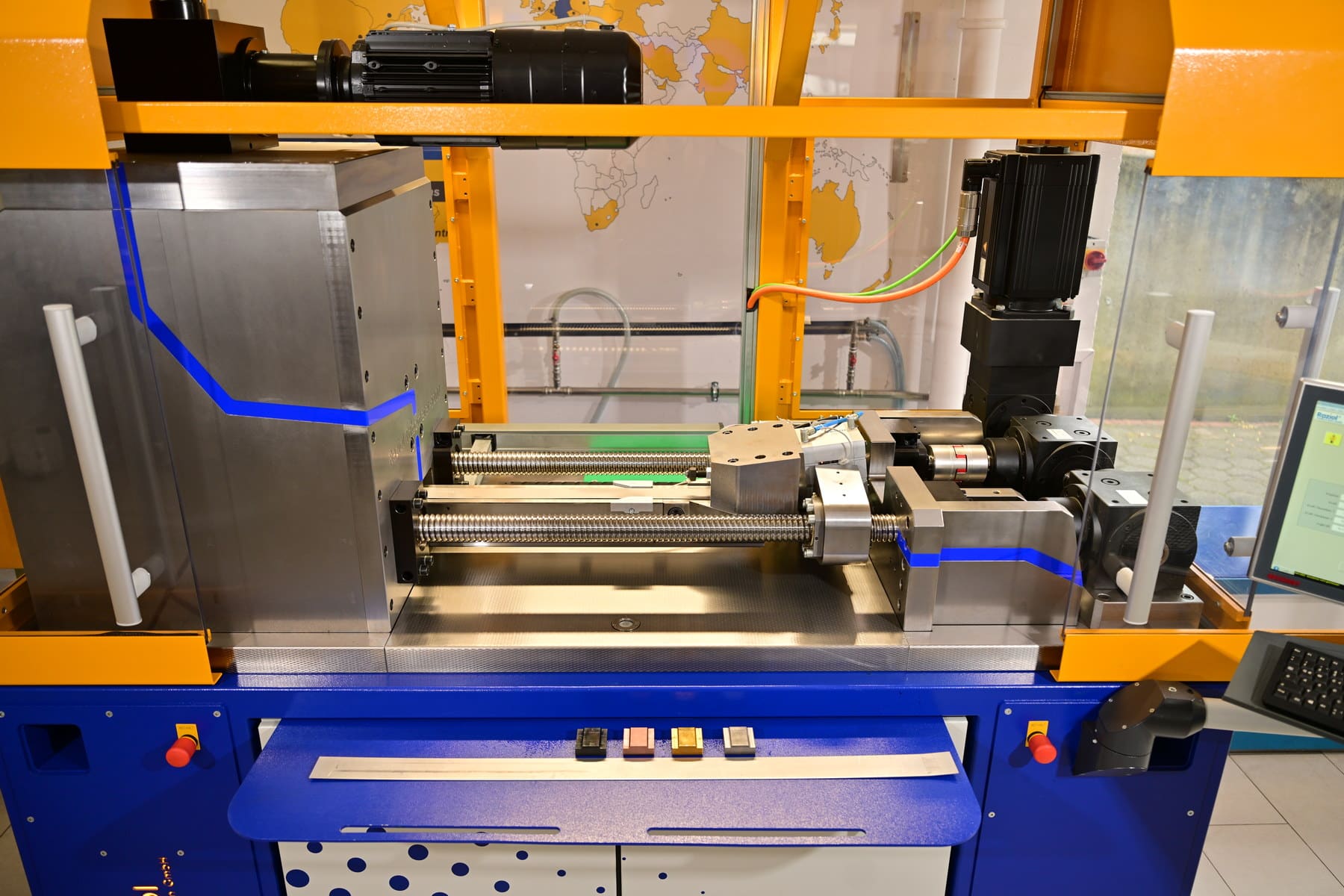
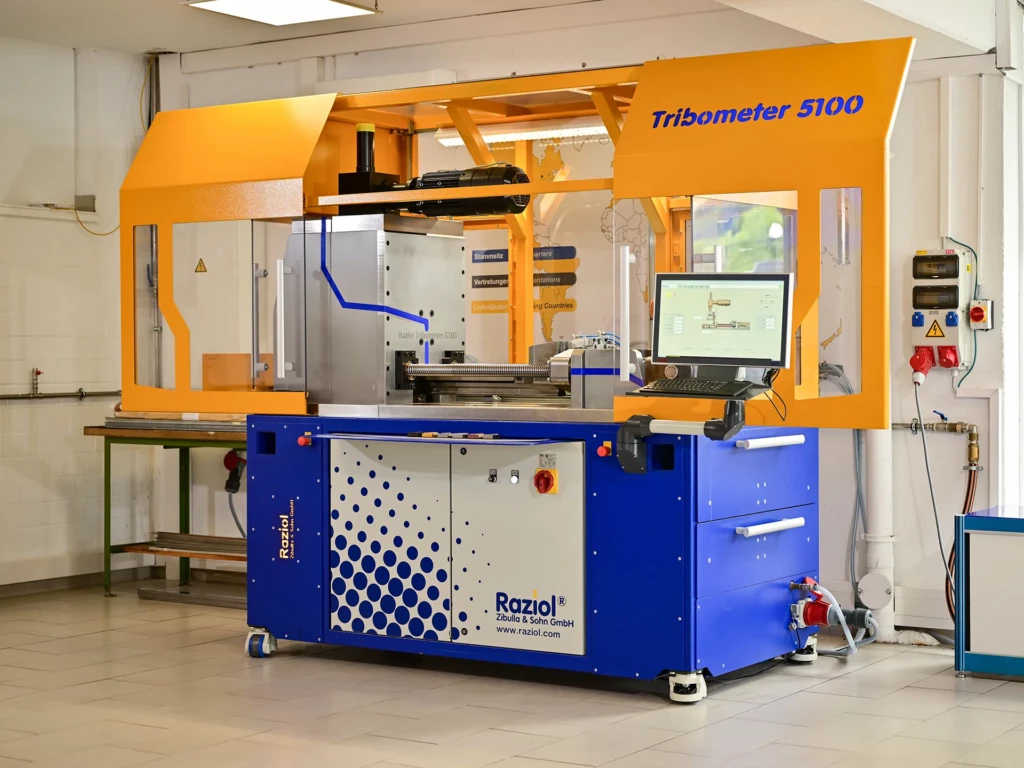
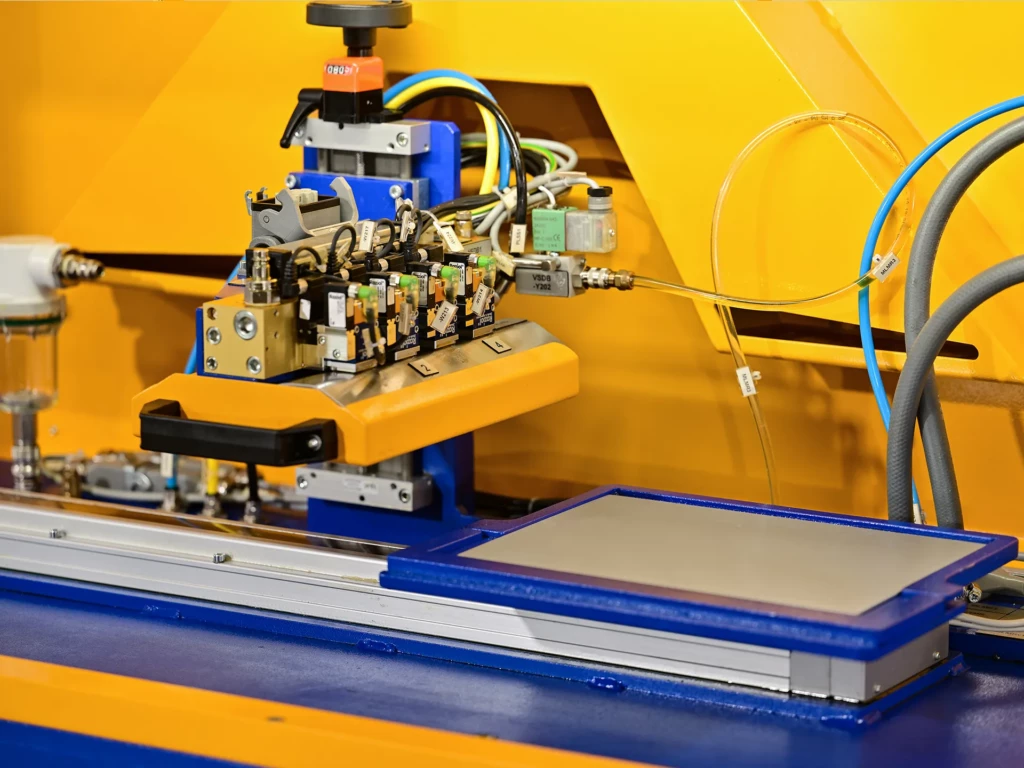
Based on the test specifications, a suitable test plan is developed. Using the Raziol Tribometer 5100, the corresponding friction coefficients and displacement curves are then documented, graphically analyzed, and interpreted in collaboration with the customer.
Core Testing Capabilities
Strip Tensile Test Based on the Flat-Track Principle
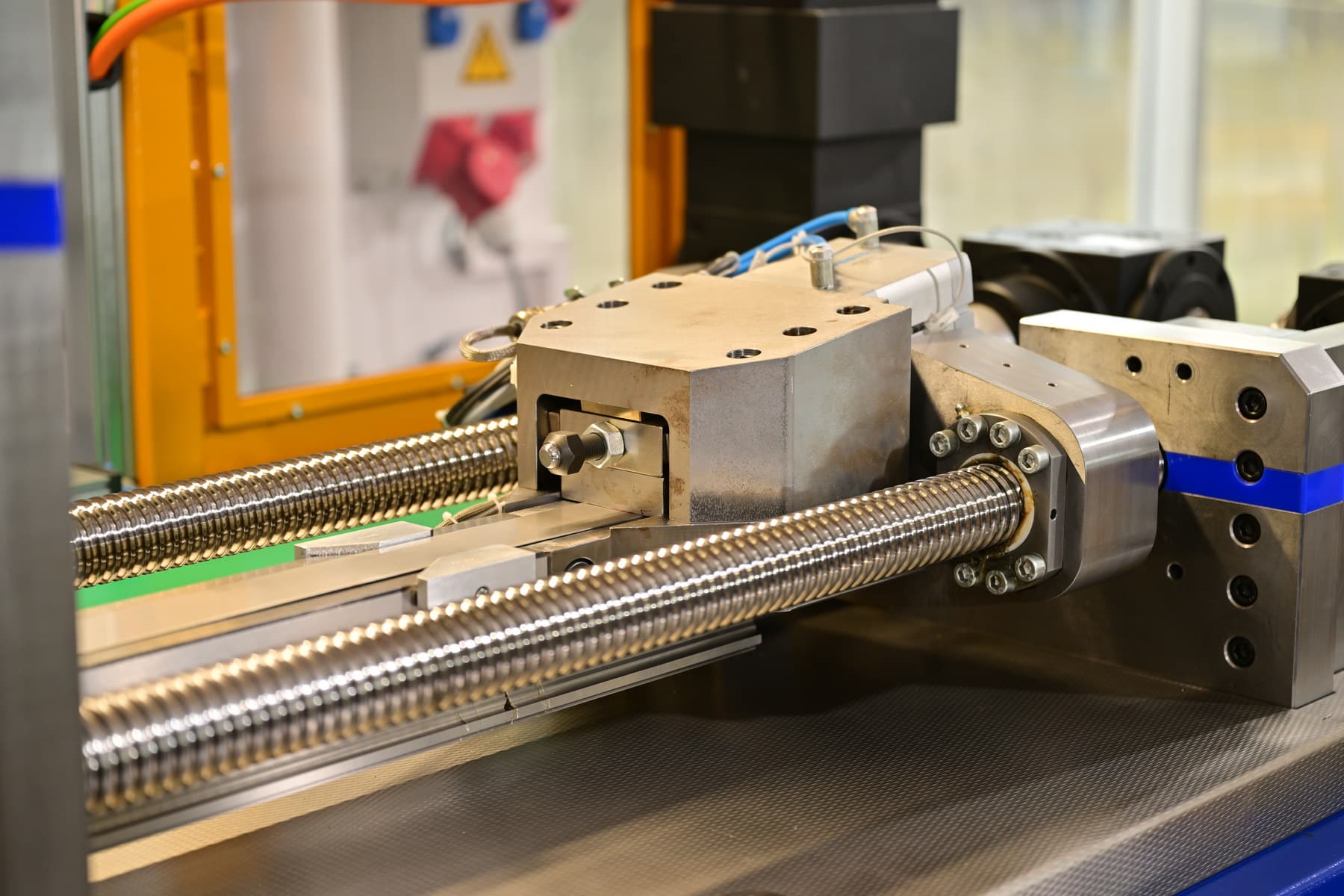
In the strip pull test, a sheet metal strip is coated with a specified amount of lubricant and pulled through under load. The test specimen is pressed against the sheet metal strip with a specified normal force.
Assuming Coulomb friction, a coefficient of friction can be determined from the measured tensile and normal forces. The coefficient of friction is plotted against the distance traveled, allowing for a direct comparison of different test combinations.
This makes it possible to investigate how changes in individual parameters affect friction behavior.
Variable Test Parameters
Depending on the task at hand, the following parameters, for example, can be adjusted:
- Lubricants and Additives
- Lubricant Application Rate
- Sheet Metal Material and Sheet Metal Surface
- Tool Material
- Tool Coating
- Area compression
- Pulling speed
- Test temperature
If the tests show that an existing lubricant does not adequately meet the process requirements, the results can serve as the basis for developing a customized lubricant solution.

Product Information & Advice
Here you will find all relevant documents and additional information about this product. We would be happy to assist you in designing your application and provide personalized advice on suitable solutions.
Application-Related Inquiry
Personalized Product Advice